


It’s estimated that 10% of all seniors experience some form of elder abuse or neglect. Other studies place that number closer to 20%. This is why many Ohioans wrestle with the decision to send a loved one to a nursing home. You research, read reviews, tour facilities, meet the staff, and meet the residents, but it may not guarantee the happiness and well-being of your loved one.
While many nursing homes are full of lovely, qualified caretakers who are there to help, the harsh reality is that abuse may occur, even when everything looks great on the surface. Nursing home abuse is often under-reported or under-recognized. Our Cleveland nursing home abuse lawyers are here to help.
Let’s look at some telling statistics and studies about elder abuse, the warning signs of nursing home abuse you need to watch for, and your legal options if your loved one was harmed while in someone else’s care. If you need to speak with a lawyer about potential elder abuse or neglect in Ohio, contact our law firm today. Consultations are free and confidential.
Key Takeaways:
- An estimated 1 in 10 seniors has experienced some form of abuse. There are some studies that suggest that up to 1 in 5 seniors have experienced abuse.
- Roughly 95% of elderly residents at assisted-care facilities have either experienced nursing home abuse or witnessed nursing home abuse.
- It’s estimated that only 1 in 24 instances of elder abuse are ever reported to law enforcements. This is often due to fear of staff retaliation from nursing home residents.
- There are approximately 960 licensed nursing homes in the state of Ohio. The organization Families for Better Care has given Ohio a D rating for its nursing homes, and ranked Ohio 40th in the country for quality of care.
- Common warning signs of elder abuse and neglect include visible bruises or cuts, bedsores and pressure ulcers, changes in your loved one’s personality, pronounced weight loss, lack of cleanliness around the facility, and high staff turnover.
The Silent Epidemic: How Common Is Nursing Home Abuse? How Often Is It Reported?
According to the National Council on Aging, approximately 1 in 10 elders experience abuse.
While these nursing home abuse facts may feel concerning, what’s even more so is that only 1 in 24 of these cases is ever reported to law enforcement. Failing to report means there are no legal consequences for those who commit these heinous acts.
Your loved one deserves the best, and if they have experienced abuse, they may be entitled to compensation for the suffering that they have endured. By reporting abuse, it helps to build their case and hopefully prevent others from experiencing the same trauma that they have been made to face.
What Percentage of Nursing Home Residents Experience or Witness Neglect?
Up to 95% of surveyed long-term care residents reported either suffering neglect themselves or witnessing it occur to others. Nursing home abuse statistics show that roughly 1 in 5 Ohioans have made reports of abuse themselves.
Nursing homes are where elders should be able to live peacefully, enjoying their retirement with dignity while having a level of care that matches their needs. When the wrong people become involved with this industry, it can lead to devastating consequences and requires special legal care to ensure their rights are protected and they are properly compensated for their suffering.
A Deeper Dive Into Ohio Nursing Home Abuse Statistics
In Ohio alone, the Ohio Adult Protective Services hotline received over 34,000 calls in 2020. However, the U.S. Census data suggests that more than 200,000 Ohioans (roughly 1 in 5 elders) actually experienced abuse.
According to the Ohio Department of Health, there are approximately 960 licensed nursing homes in the state. This does not account for unlicensed homes or those who have allowed their license to expire.
When choosing a facility for your loved one, it is essential that you verify the license and status of the business. While this alone will not prevent abuse, it gives you better legal recourse should it occur, and you need to take action.
The State of Institutional Quality: Ohio’s Elder Care Facility Grades
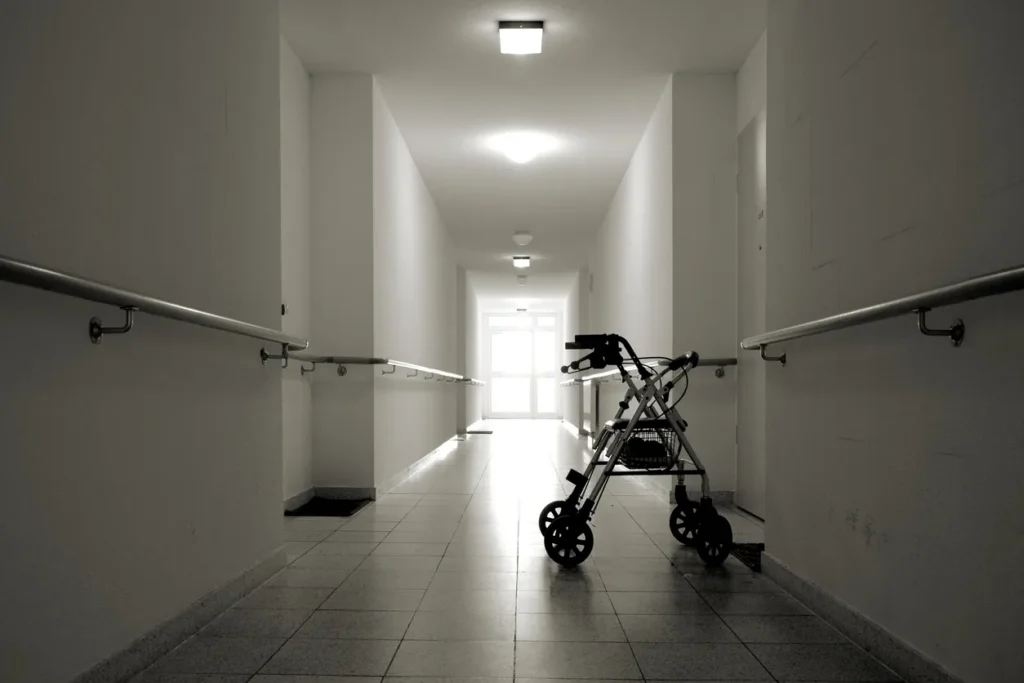
Ohio has consistently received poor grades from advocacy groups regarding its care. For example, Families for Better Care has given Ohio a rating of D, ranking it at number 40 of all states in the U.S.
These groups look at factors such as staffing numbers, how many deficiencies a facility has, health inspections, nurse staffing, and verified Ombudsman complaints. These items are crucial to maintaining the safety and care of an assisted-living facility for seniors.
What Are the Most Common Types of Nursing Home Abuse Documented in Ohio?
Some of the most common forms of abuse include:
- Physical abuse
- Neglecting to provide nutrition, water, medication, or care
- Emotional/psychological abuse
- Sexual abuse, harassment, and misconduct
- Financial exploitation
Systemic understaffing can lead to more cases of abuse, as there is less oversight, not enough staff members to assist all residents, and homes may hire underqualified staff just to meet ratio numbers.
Key Facts About Long-Term Care Neglect and Abuse Infractions
When considering long-term care in Ohio, understanding nursing home abuse statistics and complaints can help you make a more informed decision. The National Ombudsman Resource Center (NORC) provides resources to long-term care facilities around the country. In Ohio specifically, they have noted that one of the top five complaints is involuntary discharge.
Understanding Involuntary Discharge from a Nursing Home
Historically, involuntary discharge has led to seniors and those with long-term care needs landing in homeless shelters. Seniors often require advocates to help them counter these potential actions, especially if they have significant physical or cognitive ailments that make it difficult for them to advocate for themselves.
Complaints of Neglect While in a Nursing Home
Other common complaints are a lack of responsiveness when requesting assistance, such as pressing call lights. When it comes to our elders, this can mean life or death in difficult situations. This is especially true if they have fallen or are stuck. This can lead to feelings of lost dignity at best, and severe injury and possible fatalities at worst.
Why Does Long-Term Care Misconduct Often Go Unreported at Nursing Homes?
It may be difficult for someone who is not living with the abuse to understand why it is not being reported. For those living in these facilities under these conditions, there are many factors that go into why they may not report abuse, neglect, sexual assault, or exploitation.
Fear of Staff Retaliation
When making a report, the victim often has to name the abuser and explain the situation to law enforcement and other parties. This takes an immense amount of courage to report staff who have power over their day-to-day. They may fear retaliation from that specific staff member, or their co-workers.
Advanced Cognitive Issues
Dementia, Alzheimer’s, and other cognitive diseases may make it challenging for victims to report their abuse, even to family members. Their recounts may not make sense and may be confused with other memories, making it difficult to articulate. While family members or other caretakers generally have the best of intentions, they may mistake these legitimate reports for storytelling or confusion.
Speech Limitations
Many elders face speech limitations. Whether this be due to a stroke or some other ailment that affects their speech, it can make reporting abuse very difficult. This can be especially difficult for those whose cognition may be completely there, but they lack the ability to articulate in words what has happened to them.
As advocates for our elders, it is important to understand where to look for signs of abuse and what to do if you suspect abuse or neglect may be happening. The Ohio Attorney General’s Office provides a resource on elder abuse that can help you navigate what to do.
How Families Can Uncover Hidden Corporate Negligence at Nursing Homes
Common signs of abuse and neglect at Ohio nursing homes may include:
- Pressure ulcers
- Lack of hygiene such as rashes, smells, and general discomfort
- Call lights not being answered
- Residents being left alone for long periods of time
- Changes in behavior unexplained by illness
- Unexplained weight loss
- Frequent turnover in caregiving staff
- General lack of cleanliness in and around the facility
The Danger of Understaffing at Nursing Homes
Some of the issues listed above are the result of understaffing in nursing homes. Without sufficient staffing, there’s a higher risk of mistreatment or bad employees being held accountable.
Policy Matters Ohio demonstrates the need for more staff due to the increasing elderly population. According to their nursing home abuse facts, between 2010 and 2015, the number of people over 60 increased by 13.7, and it has continued to grow.
What Legal Options Do Ohio Families Have If They Suspect Care Facility Abuse?
You have the right to file an Ohio civil personal injury lawsuit if your loved one has been abused or neglected. In the horrific event that they passed away from this abuse, you have the right to file a wrongful death lawsuit against negligent corporate operators.
Schedule Your Consultation with Tittle & Perlmuter Today
No one should experience abuse, especially not those who rely on others for support. When moving your loved one into a nursing home, you do so with trust, being guaranteed that they will be well cared for when you cannot be there. If you suspect your loved one has been abused, neglected, or exploited while in an Ohio nursing home, contact Tittle & Perlmuter today.